

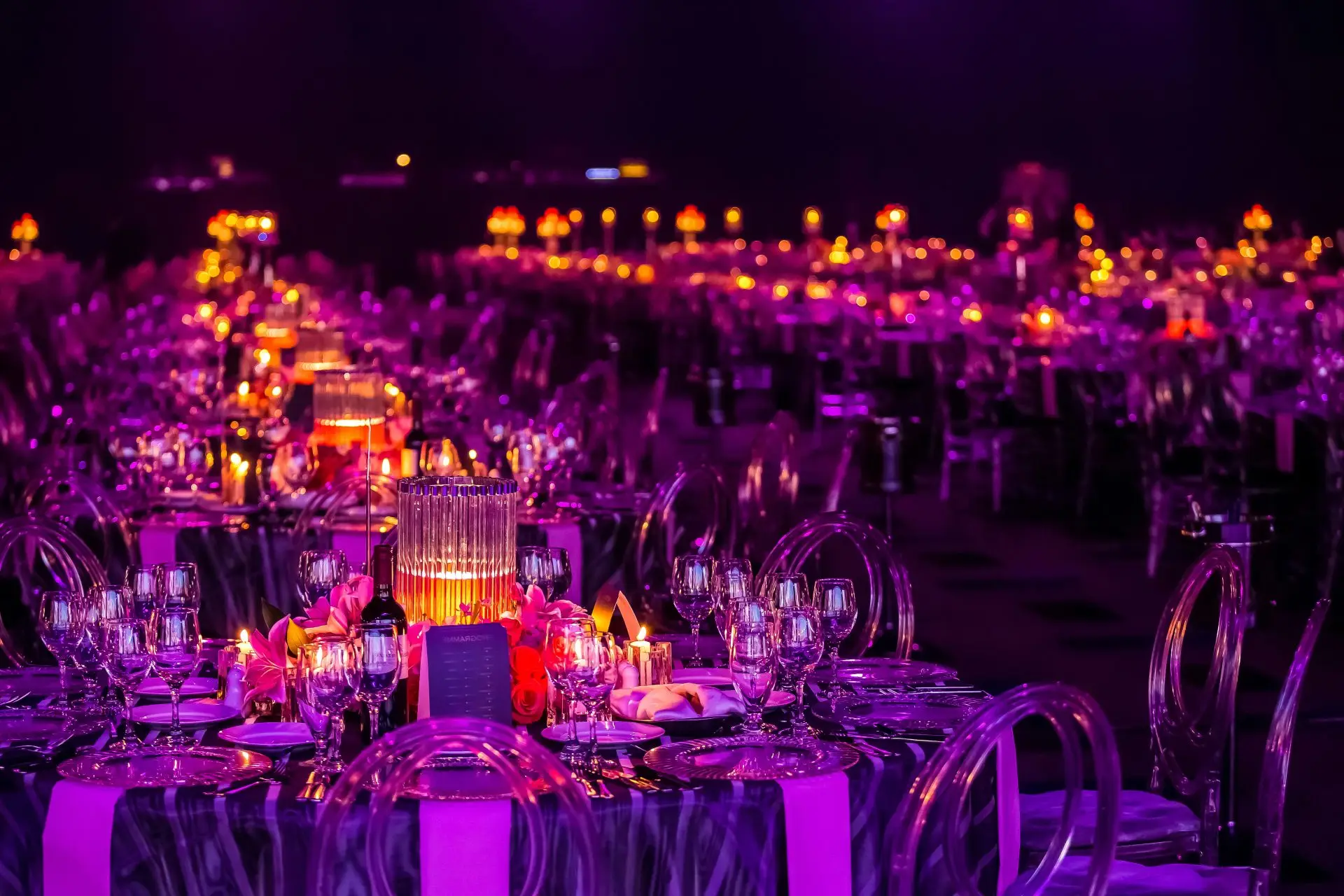
Manchester’s event scene never stands still — and neither does the food on the table. From boardroom lunches in Spinningfields to weddings in converted mills, what guests expect from catering has shifted noticeably over the past year. At Francs Event Catering Ltd, we work with event planners across Greater Manchester every week, and we’re seeing the same patterns crop up again and again.
If you’re planning events in 2026, here are the seven catering trends worth building into your next brief.
1. Hyper-Local Sourcing Takes Centre Stage
Guests are asking more questions than ever about where their food comes from. “Local” is no longer just a marketing word — it’s an expectation. Menus built around Lancashire cheeses, Cheshire-reared meats, and produce from growers within an hour of the city are becoming the norm rather than the exception.
What this means for planners: Ask your caterer for a sourcing breakdown before you finalise a menu. It’s a talking point guests genuinely appreciate, and it’s a strong line for your event marketing too.
2. Plant-Forward, Not Just Plant-Based
The days of a single sad vegan option tucked at the end of the menu are over. Plant-forward catering — where vegetables and pulses are the star, not the substitute — is now front and centre on menus for weddings, corporate functions, and private parties alike.
This isn’t about excluding meat and fish; it’s about giving every dish real thought, whether it happens to be vegan, vegetarian, or not. Think charred hispi cabbage with romesco, or a mushroom and truffle arancini that holds its own next to any main course.
What this means for planners: Brief your caterer on percentages, not just “we need a vegan option.” A menu that’s 40–50% plant-forward by design reads as considered, not compromised.
3. Grazing Tables and Interactive Food Stations Are Still Growing
Grazing tables had their moment a few years ago — but in 2026, they’ve matured. Instead of one enormous spread, planners are opting for multiple smaller stations spread through a venue: a cheese and charcuterie corner, a live pasta station, a dessert table styled to match the event’s theme.
Interactive stations do double duty — they’re catering and entertainment in one, and they keep guests moving and mingling rather than queuing at a single buffet.
What this means for planners: Factor stations into your floor plan early. They need space, sightlines, and often a chef or server on hand, so this is a conversation to have with your caterer at the venue walk-through, not after.
4. Bold, Global Flavours Replace “Safe” Menus
Manchester’s food culture has always drawn on the city’s diversity, and event menus are finally catching up. Korean-inspired canapés, Middle Eastern mezze boards, and West African-spiced dishes are appearing on menus that would once have defaulted to predictable British-European fare.
What this means for planners: Don’t be afraid to push your caterer for something distinctive. A memorable menu is increasingly a competitive advantage for corporate events and a personal signature for weddings and private celebrations.
5. Sustainability Goes Beyond the Plate
It’s not just about what’s served — it’s about what’s left behind. Expect to see more caterers offering compostable or reusable serviceware, tighter portion planning to reduce food waste, and partnerships with local food redistribution charities for surplus.
What this means for planners: If sustainability is part of your event’s messaging (and increasingly, it’s part of your client’s brief too), ask your caterer directly about their waste policy, packaging, and what happens to unused food. It’s a simple question that says a lot about a supplier.
6. Smaller Plates, Bigger Variety
Guests are increasingly drawn to variety over volume — smaller, well-crafted plates that let them try more, rather than one large course. This works particularly well for networking events and weddings where mingling matters as much as the meal.
What this means for planners: Discuss course structure early. A well-designed selection of five or six smaller dishes can feel more generous — and more memorable — than a traditional three-course format.
7. Personalisation and Dietary Precision
Generic “dietary requirements” catering is being replaced by genuinely tailored menus. Guests expect their allergies, intolerances, and preferences to be handled with the same care as everyone else’s meal — not as an afterthought plated separately and less attractively.
What this means for planners: Collect dietary information early and share it with your caterer well ahead of the event. A caterer who builds dietary variations into the core menu design, rather than bolting them on, will deliver a far better guest experience.
Bringing These Trends to Your Next Manchester Event
Trends are only useful if they translate into a menu your guests remember. At Francs Event Catering Ltd, we work closely with event planners across Manchester to build menus that reflect where food culture is heading — without losing sight of what makes an event feel personal and well executed.
Whether you’re planning a corporate conference, a wedding, or a private celebration in 2026, we’d love to talk through how these trends could shape your next event.
Get in touch with the Francs Event Catering Ltd team to start planning your menu.